
People & Psychoactive Plants

Welcome to the Magic of Psychoactive Plants

About PPP

Promoting the use of psychoactive plants is not a task we engage in lightly, knowing full well the risk and the powers that they contain. If we do, then only because the benefits from informed and socially embedded use vastly outweigh the social wreckage that has and is being caused by Prohibition, a policy and series of practices that have become a defining features of modern governance. Prohibition, the pursuit of profit, and the relentless march of Public Health have come to dominate our perception and consumption of the plants and the substances that are derived from them. What is lost is why we come to enjoy them in the first place, the pleasures that are their gift and the ways of feeling, seeing and being they open to us. In our efforts we try to capture, celebrate and share the magic that made us into a species of drug takers in the first place.

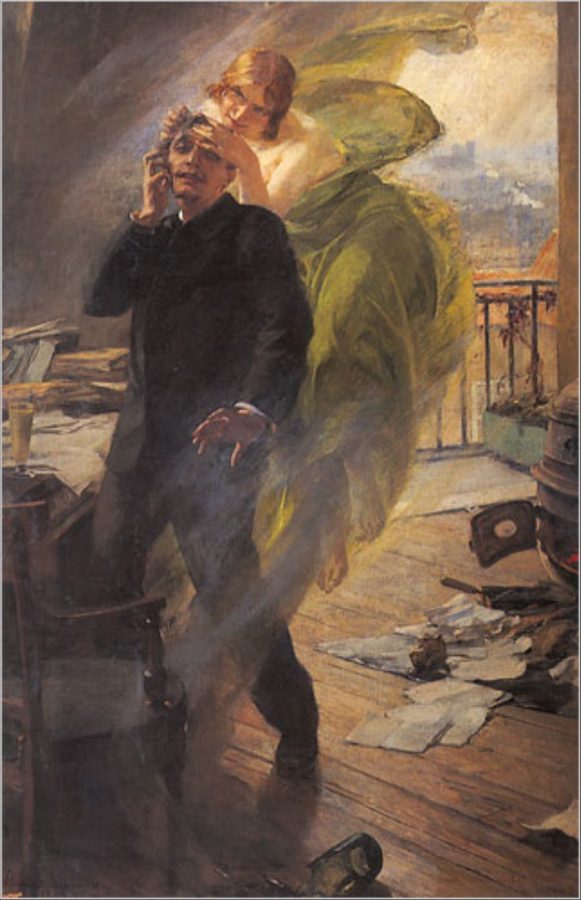
Image: Albert Maignan’s painting of “Green Muse” (1895) shows a poet succumbing to absinthe’s mind-altering effects. Courtesy of the Musée de Picardie, Amiens


04 June, June, Warsaw, Poland

EUTPD3 Round Table – a Call for Action 

Recognising the importance of consumer-centric smoking control in the upcoming revision of the Tobacco Products Directive (TPD)– this is a ‘Call to Action’ to ensure EUTPD3 is science‑led, risk‑proportionate, protects youth, and supports adults who smoke to move away from smoking

Purpose of the EUTPD3 Round Table

With EUTPD3 approaching, we – public health experts, consumer representatives and affected citizens – want to ensure that timely and constructive scientific input that prevents youth uptake, accelerates smoking cessation and recognises that many adults who smoke will seek lower‑risk alternatives is considered by EU policymakers. Our shared goal is a coherent EUTPD3 framework that is transparent, risk proportionate and grounded in scientific evidence.

The Round Table experts listed the following expectations from policymakers in EUTPD3:

  • Riskproportionate regulation that prioritises the reduction of harm from combustible tobacco while maintaining robust youthprotection measures.
  • Transparent and quality methods: accessible sources, clear standards for evidence quality and incorporating all available peer-reviewed science 
  • Restrictions, including on any ingredient, should be targeted, evidence-based and proportionate, avoiding blanket measures that ignore category differences.
  • Real‑world Evidence: Consider switching, dual‑use trajectories, cessation, youth uptake and unintended consequences (e.g., illicit markets and misperceptions) of regulatory restrictions and bans.
  • Comprehensive impact assessment which includes public health, societal and economic outcomes
  • Voice of consumers must play a key role in shaping policy.
  • Rights of people with lived experience are protected

Call to action: Participate in the EUTPD3 consultations

This is the main channel for expert judgement and lived experience to shape the impact assessment and EUTPD3 drafting. We urge scientific and public health colleagues and consumer communities to contribute in four practical ways:

  • Participate in the Call for Evidence (closing 15 June)
  • Submit evidence and implementation lessons (e.g. what reduced smoking, what was counterproductive and why, and draw lessons from blanket bans on flavours and ingredients).
  • Share consumer realities: Switching pathways, barriers to quitting, affordability, access and how risk perceptions influence consumer switching or relapsing behaviour.
  • Demand for policies to be health-outcome focused 


Signatories

Dr. Fernando F. Bueno, Spokesperson of THR Platform, Spain

Carissa Düring, Considerate Pouchers Sweden, Sweden

Dr Konstantinos Farsalinos, University of Patras, Greece

Alex Gogoana, ACPAN, Romania

Alberto Gómez Hernández, World Vapers’ Alliance, Spain

Dr Axel Klein, People and Psychoactive Plants, UK/Germany

Ingmar Kurg, NNA Smoke-free Estonia, Estonia

Prof. Dirk Ziebolz, Medizinische Hochschule Brandenburg, Germany

Find Out More


Latest News

Problem generation. Says who?

There are two ways of accounting for the rise reported in the Economist on illegal substance use among the over 55s, both should give rise to concern. First, the demographic shift as another cohort growing up with a wider assortment of available substances are getting over the line. That they

Read More

Latest Webinar Series

Cookies, gummy bears and juices – normalising cannabis

Date: tbc 2026

The popularity of cannabis continues to grow exponentially with new applications and modes of delivery. Finding new modes of delivery has been the key in detaching the plant from it’s counter-cultural, subversive connotations. Most importantly both for health and for habit forming has been the dissociation of cannabis and tobacco

View Details

Tobacco and Nicotine

Date: tbc 2025

The market for tobacco products is diverging between a small but rising number of dedicated cigar aficionados, often with deep pockets and the vaping community.  

View Details

Khat Chews: a celebration of sociality

Date: tbc 2025

Theresa May was the Home Secretary who decided to roll back decades of forbearance and impose a ban on khat. The decision led to the overnight disappearance of the mafrish, the gathering of khateurs, places where up to fifty men would come together to socialise around a shared pleasure, the

View Details

Kava Royale – lifting legislative restrictions on kava in the UK

Date: 14 March 2025

Kava (Piper methysticum) is a mildly intoxicating drink that has for centuries been drunk in the Pacific islands including Tonga, Samoa, Fiji and Vanatu. The active ingredient, known as kavalactones are extracted from the root and mixed with water and drunk from bowls often fashioned from coconut shells. Its mildly

View Details